






UC Davis Home Page
News & Information
This service is provided by UC Davis News Service, 530-752-1930


11.7.2009 [ Search/Archives  | Facts & Figures  | UC Davis Experts  | Seminars/Events  ]

UC Davis experts: Bioterrorism

The following University of California, Davis, faculty are available to comment on aspects of bioterrorism. For some, weekend contact information is indicated.

Biological weapons

Mark Wheelis, a lecturer in the Section of Microbiology at UC Davis, is an expert on biological weapons and the history of biological warfare. As a member of the Federation of American Scientists, Wheelis has acted as a lobbyist and technical expert on biological weapons control. He can discuss past biowarfare attacks and accidents, how terrorists or hostile governments might mount a biological attack and how it could be detected. Recent work has focused on the implications of biotechnology for biological and chemical weapons control, and on the vulnerability of agriculture to bioterrorist attack. Contact: Mark Wheelis, Microbiology, (530) 752-0562 (phone), (530) 752-3633 (fax), mlwheelis@ucdavis.edu.

Preparedness for treating bioterror victims

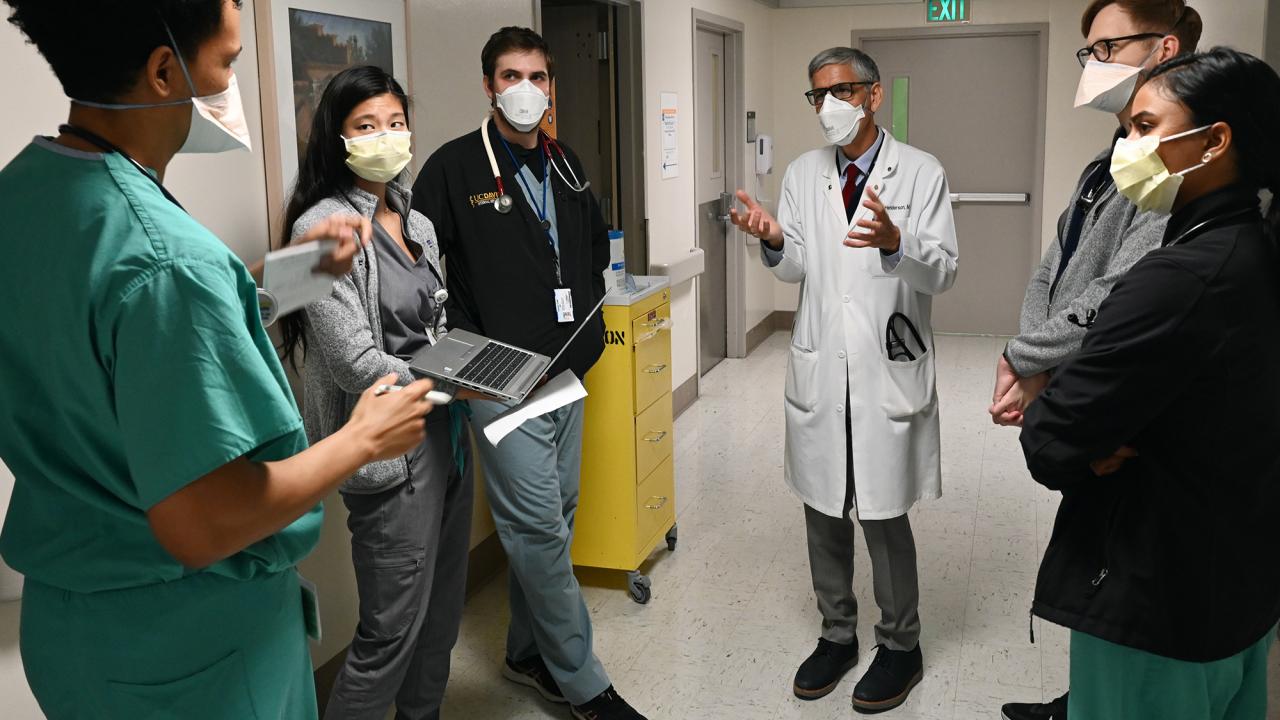
Steven Tharratt is a UC Davis professor of pulmonary and critical care medicine and an expert on emergency medical preparedness for bioterrorism. He has served on federal and state advisory councils on bioterrorism and is currently medical director for the California Emergency Medical Services Authority and the Sacramento County Emergency Medical Services and Fire Agencies. He teaches hazardous-materials teams how to detect and respond to a bioterror attack. Tharratt also served on a search-and-rescue team at the World Trade Center immediately after the Sept. 11 attacks. Contact: Carole Gan at UC Davis Health System Medical Science Public Affairs, (916) 734-9047, carole.gan@ucdmc.ucdavis.edu

The real threat: smallpox

Given the devastating history of epidemics in the New World, Americans are correct in worrying about bioterror -- but the threat is smallpox, not anthrax, says UC Davis scholar Louis Warren. "Smallpox has a special relationship to American history that makes its lessons particularly important," says Warren, who writes and teaches about American environmental history. He can give historical context about the past smallpox epidemics in the New World as well as talk about the present-day smallpox threat and solution. Warren, the W. Turrentine Jackson Professor of Western U.S. History, has written about biological organisms, including smallpox, as weapons of war. Contact: Louis Warren, History, (530) 752-1633, lswarren@ucdavis.edu.

Radiation safety and emergency response

Jerrold Bushberg is a clinical professor of radiology and director of Health Physics Programs at UC Davis. He oversees the safe storage, use and disposal of radioactive materials at UC Davis and advises medical personnel throughout the nation on the effects of radiation exposure and proper radiation safety procedures. He previously developed the emergency medical response system for the state of Connecticut and chaired an expert panel on radiological emergency preparedness for the state of California. He recently served on a panel that advised California Gov. Gray Davis on methods for disposing of low-level radioactive waste. Bushberg has conducted hundreds of training sessions on radiation safety at hospitals throughout the United States. He currently chairs a subcommittee that will train hospital personnel in radiation safety procedures for a program being developed by the National Health Physics Society and federal agencies. He is a member of the National Council on Radiation Protection and Measurements, the nation's most prominent source of expertise on radiation protection. Contact: Carole Gan at UC Davis Health System Medical Science Public Affairs, (916) 734-9047, carole.gan@ucdmc.ucdavis.edu.

Bacterial diseases of farm animals and humans

Richard Walker is a UC Davis professor of veterinary medicine. An expert on bacterial diseases, he can discuss bacteria that could be used in bioterrorism, such as anthrax, plague, tularemia and brucellosis. He can describe their transmission, effects, prevention and treatment in animals and humans. Contact: Richard Walker, California Animal Health and Food Safety Laboratory System on campus, (530) 752-8754, rlwalker@ucdavis.edu.

Biology of anthrax

Anthrax is a deadly disease for humans and animals, but not one that should cause panic in the general population, cautions Rance LeFebvre, a microbiologist in the UC Davis School of Veterinary Medicine. LeFebvre's research focuses on bacterial infectious diseases such as Lyme disease and leptospirosis. He teaches about anthrax in courses on medical microbiology and bioterrorism. He can discuss the biology of anthrax, methods of transmission, use of vaccines and the potential of the disease as a weapon of bioterrorists. Contact: Rance LeFebvre, Veterinary Pathology, Microbiology and Immunology, (530) 752-2788, rblefebvre@ucdavis.edu.

Media contacts

Top of pageTop of page


Last updated June 12, 2007

Current News | UC Davis in the News | Publications | Broadcast | Multimedia | Related News | News Service Resources
Search/Archives | Facts & Figures | UC Davis Experts | Seminars/Events