



UC Davis Experts: Hurricane Katrina
September 1, 2005
The following UC Davis faculty members are available to speak on topics related to Hurricane Katrina and its aftermath. If you need information on a topic not listed, please contact Mitchel Benson at the UC Davis News Service, (530) 752-9844, mdbenson@ucdavis.edu, or David Ong, UC Davis Health System Public Affairs, (916) 734-9049, pager (916) 762-5331, david.ong@ucdmc.ucdavis.edu.
FLOOD RISKS FOR U.S. CITIES -- UC Davis geologist Jeffrey Mount is a watershed expert and a vocal critic of urban flood "management" that relies upon costly and fallible levees, channels and dams, such as those built to protect New Orleans and Sacramento. Mount says, "New Orleans lost the battle with the inevitable; the same will eventually occur here in Sacramento." Mount directs the UC Davis Center for Watershed Sciences. He is a member of the State Reclamation Board, which is charged with controlling flooding along the Sacramento and San Joaquin rivers and their tributaries in cooperation with the U.S. Army Corps of Engineers. Contact: Jeffrey Mount, Geology, (530) 752-7092, jfmount@ucdavis.edu.
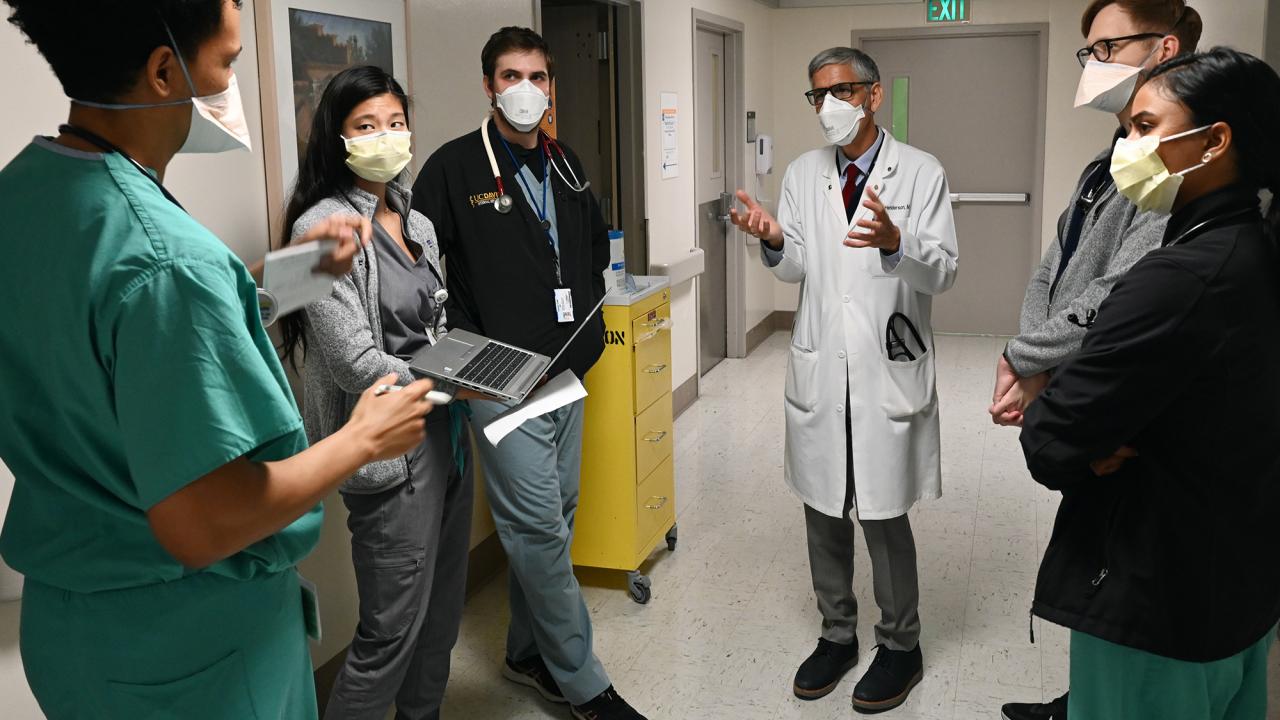
EMERGENCY AND DISASTER RESPONSE -- UC Davis Medical Center pulmonary and critical care specialist Steven Tharratt is a national authority on emergency preparedness and response to catastrophic events, including floods and bioterrorist acts. He is also medical director for Sacramento County Emergency Medical Services and all Sacramento city and county fire agencies. He is a member of the state's Standing Committee on Terrorism, the Northern California FBI Joint Terrorism Task Force and the California State Threat Assessment Team. Tharratt was one of two physicians deployed to the World Trade Center on Sept. 11, 2001, with the Sacramento Urban Search and Rescue Team. Contact: David Ong, UC Davis Health System Public Affairs, (916) 762-5331 (pager).
THREAT OF DISEASE -- UC Davis Medical Center infectious disease expert Stuart Cohen can comment on the prevention and treatment of water- and vector-borne diseases that are common following floods and other natural disasters. In addition, he can advise individuals traveling to affected regions how to reduce their risk of infection. Cohen specializes in the prevention and control of infectious disease outbreaks in hospitals and the community. He is professor of infectious diseases and director of Hospital Epidemiology and Infection Control and, in addition, directs the department's Traveler's Clinic. Contact: David Ong, UC Davis Health System Public Affairs, (916) 762-5331 (pager).
USING TELEMEDICINE TECHNOLOGY FOR EMERGENCY RESPONSE -- Thomas Nesbitt, executive associate dean of administration and clinical outreach at UC Davis Health System, directs the UC Davis Telemedicine Program. A family practice physician by training, he is an expert in rural health and an international authority on telemedicine and the use of telecommunications technology to improve access to medical care. He is working with the National Institutes of Health and the Department of Defense regarding the possible use of telemedicine, including portable satellite technology connections, to provide medical specialists from throughout the University of California system to help hurricane victims. UC Davis operates one of the largest telemedicine programs in the nation and its internationally recognized training center teaches physicians and hospital leaders how to establish their own telemedicine programs. Contact: David Ong, UC Davis Health System Public Affairs, (916) 762-5331 (pager), daong@ucdavis.edu.
Media contact(s):
- David Ong, UC Davis Health System, (916) 734-9049, david.ong@ucdmc.ucdavis.edu (pager (916) 762-5331)
- Mitchel Benson, UC Davis News Service, (530) 752-9844, mdbenson@ucdavis.edu